Discover Charleston's Business History and Culture
- Zara Sverjensky
- Oct 11
- 4 min read

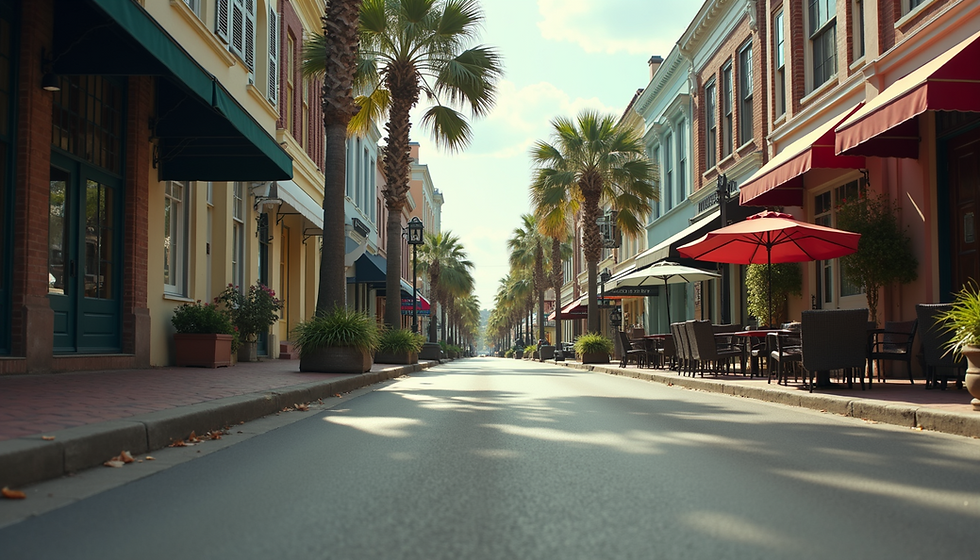
Charleston, South Carolina, is a city rich in history and culture. Its streets are lined with beautiful architecture, and its waterfront offers stunning views. But beyond the picturesque scenery, Charleston has a vibrant business history that has shaped its identity. From its early days as a trading port to its modern-day status as a hub for innovation, Charleston's business landscape is as diverse as its culture.
In this blog post, we will explore the evolution of Charleston's business scene, the cultural influences that have shaped it, and the unique opportunities that await entrepreneurs and businesses today.
The Early Days: A Trading Port
Charleston was founded in 1670 and quickly became a significant trading port. Its location along the Atlantic coast made it an ideal spot for shipping goods. The city thrived on the export of rice, indigo, and later, cotton.
The establishment of the slave trade played a crucial role in the growth of these industries. Enslaved Africans were brought to Charleston to work on plantations, which fueled the economy. This dark chapter in history has left a lasting impact on the city and its culture.
As trade flourished, so did the city's infrastructure. Roads, warehouses, and docks were built to support the growing economy. The bustling port attracted merchants and traders from around the world, making Charleston a melting pot of cultures and ideas.
The Civil War and Its Aftermath
The Civil War brought significant changes to Charleston's business landscape. The city was a key battleground, and its economy suffered greatly during and after the war. Many businesses were destroyed, and the population dwindled.
However, Charleston showed resilience. In the years following the war, the city began to rebuild. The economy shifted from agriculture to manufacturing. Factories sprang up, producing textiles and other goods. This shift laid the groundwork for a more diverse economy.
The post-war era also saw the rise of tourism. Charleston's historic charm attracted visitors, and the city began to embrace its cultural heritage. This focus on tourism would become a cornerstone of Charleston's economy in the years to come.
The Rise of Tourism
By the late 20th century, Charleston had firmly established itself as a tourist destination. The city's rich history, beautiful architecture, and vibrant arts scene drew visitors from all over the world.
Local businesses began to cater to tourists, offering everything from guided tours to unique dining experiences. The culinary scene, in particular, flourished. Chefs began to showcase Lowcountry cuisine, highlighting local ingredients and traditional recipes.
Today, Charleston is known for its food culture. The city hosts numerous food festivals and has gained recognition for its innovative chefs. This culinary renaissance has not only boosted tourism but has also created job opportunities for locals.
The Modern Business Landscape
In recent years, Charleston has experienced a surge in entrepreneurship. The city has become a hub for startups and tech companies. The presence of the College of Charleston and other educational institutions has fostered a culture of innovation.
Local organizations, such as the Charleston Digital Corridor, support entrepreneurs by providing resources and networking opportunities. This has led to a thriving tech scene, with companies specializing in software development, digital marketing, and more.
Charleston's business landscape is also influenced by its commitment to sustainability. Many local businesses prioritize eco-friendly practices, from sourcing local ingredients to implementing green technologies. This focus on sustainability resonates with both residents and visitors, making Charleston a model for responsible business practices.
Cultural Influences on Business
Charleston's culture is deeply intertwined with its business history. The city's diverse population has contributed to a rich tapestry of traditions, art, and cuisine.
The Gullah culture, which originated from enslaved Africans, has had a significant impact on Charleston's identity. Gullah traditions can be seen in the local language, music, and food. This cultural heritage attracts tourists and provides unique opportunities for local businesses.
Art and creativity also play a vital role in Charleston's economy. The city is home to numerous galleries, theaters, and festivals that celebrate local artists. This vibrant arts scene not only enriches the community but also draws visitors, further boosting the economy.
Opportunities for Entrepreneurs
Charleston's business environment offers numerous opportunities for entrepreneurs. The city's growing population and influx of tourists create a demand for new products and services.
Local markets and festivals provide platforms for small businesses to showcase their offerings. Farmers' markets, craft fairs, and food festivals allow entrepreneurs to connect with the community and build their brands.
Additionally, the city's focus on innovation and technology presents opportunities for those in the tech industry. With a supportive network of resources and a growing talent pool, Charleston is an ideal place for startups to thrive.
The Future of Charleston's Business Scene
As Charleston continues to evolve, its business landscape will undoubtedly change. The city is embracing new technologies and trends, positioning itself as a leader in various industries.
Sustainability will remain a key focus, with businesses adopting eco-friendly practices to meet consumer demand. The rise of remote work may also influence the local economy, as more people seek to live in Charleston while working for companies elsewhere.
Charleston's rich history and culture will continue to attract visitors and residents alike. As the city grows, it will be essential for businesses to adapt and innovate while honoring the traditions that make Charleston unique.
Embracing the Spirit of Charleston
Charleston's business history and culture are a testament to the city's resilience and creativity. From its early days as a trading port to its modern status as a hub for innovation, Charleston has continually adapted to changing times.
As we look to the future, it is clear that Charleston will remain a vibrant and dynamic city. Whether you are an entrepreneur, a visitor, or a resident, there is much to discover and appreciate in this beautiful city.

Charleston's unique blend of history, culture, and business opportunities makes it a remarkable place to explore. Whether you are interested in its rich past or its exciting future, Charleston has something for everyone.
So, whether you are strolling through its historic streets, enjoying a meal at a local restaurant, or starting your own business, remember that you are part of a story that has been unfolding for centuries. Embrace the spirit of Charleston and all that it has to offer.

Comments